



Graphitization Furnace Plant Planning: A Com"&"plete Guide to Dimensions, Floor Height, and Lifting
Because we specialize in non-standard customization, no two pieces of equipment are exactly the same size. The final dimensions of each furnace are entirely determined by the customer's process"&" requirements.
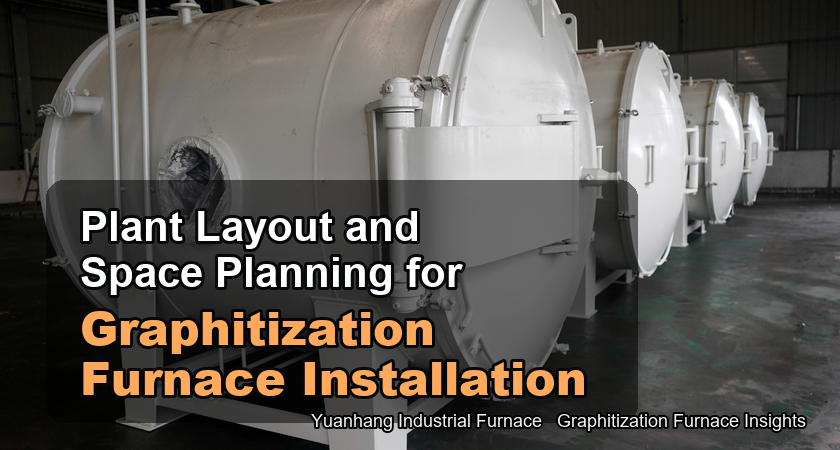
How are the dimensions determined?
- Effective heating zone size: Calculated based on material size, loading amount, and production capacity requirements
-
- Furnace shell structure: Add another layer
- Auxiliary equipment: Space occupied by power cabinet, vacu"&"um system, water cooling system, etc.
The furnace body size is only a part of the overall footprint; the supporting equipment also needs to be rationally laid out.
Key Drawings and Documents
"&"We will provide the following during the scheme design phase:
- Equipment Assembly Drawing: Overall dimensions (length, width, height)
- Equipment Foundation Layout Drawing: Foot locations, load distrib"&"ution, and interface locations
- Space Requirements: Width of operating space and maintenance passage around the perimeter (recommended ≥1 meter, 1.5 meters if possible)
- Maximum single-piece weight and dimensions
- Lifting point location
- Whether the rated lifting capacity of the overhead crane or hoist in the factory is sufficient <"&"h3color: #2c5aa0;""> Factory Building Height
- Place some equipment in ground pits
- Use a horizontal structure"&" instead of a vertical structure
Lifting Requirements
The equipment assembly drawing will indicate:
Confirm whether the net height meets the requirements and reserve safety space. If height is limited, consider:
Experience:The earlier you get involved in factory planning, the better. Ideally, we should be involved before "&"the factory is even built, designing the factory according to equipment requirements. This is the best approach.



