
Purchasing hotline:08615273391550
上一张
下一张
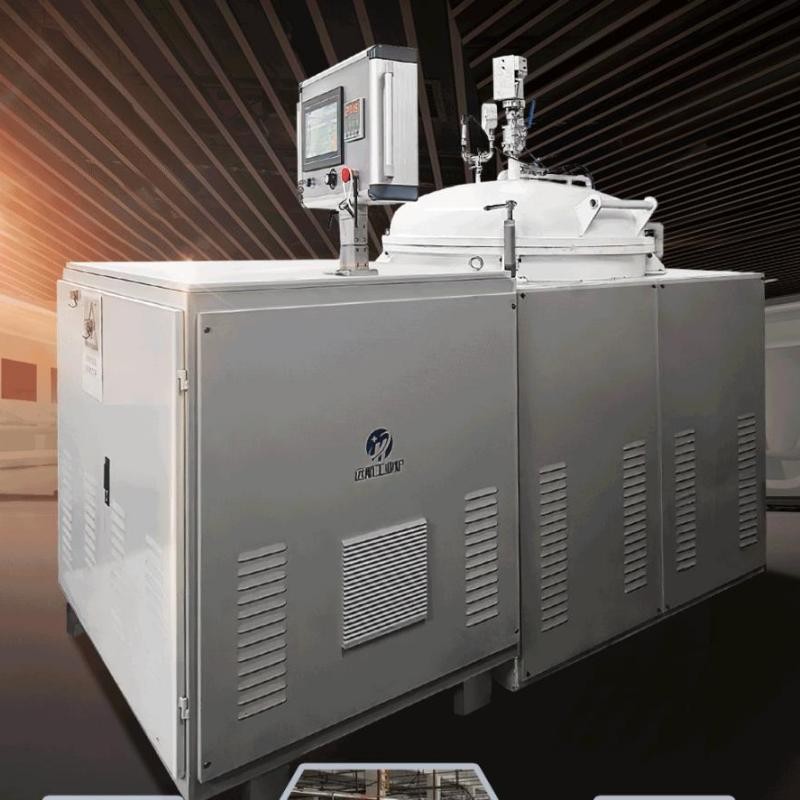
The Laboratory Graphitization Furnace is an intermittent batch furnace designed for high-temperature graphitization, purification and heat treatment of carbon-based materials in laboratory, university, research institute and pilot R&D environments.
YuanHang standard laboratory graphitization furnace models are available with two common working zones: φ200 × 300 mm and φ280 × 400 mm. Other chamber sizes and loading structures can be customized according to the customer's material size, batch capacity and process requirements.
The furnace is designed for a maximum temperature of up to 3200°C, with a normal operating temperature of up to 3100°C for intermittent batch processing. It uses medium-frequency induction heating, PLC + touchscreen HMI control, vacuum pump-down, high-purity argon protection and water-cooled safety design.
The furnace is designed for ultra-high-temperature carbon material processing, with a maximum design temperature of up to 3200°C and a normal operating temperature of up to 3100°C for intermittent batch operation.
Standard working zones include ?200 × 300 mm and ?280 × 400 mm. Customized chamber size, loading method and heating power can be provided for different sample forms and batch capacities.
Medium-frequency induction heating is used for efficient ultra-high-temperature graphitization. The heating system can be configured according to the working zone, target temperature, material load and process cycle.
The standard process is to pump the furnace chamber down to about 1000 Pa, then fill with high-purity argon and operate under slight positive pressure. This helps reduce oxygen content while avoiding unnecessary high-vacuum operation at ultra-high temperature.
PLC + touchscreen HMI is the standard control configuration. The system supports programmable temperature control, recipe management, alarm display, process monitoring and operator-friendly furnace operation.
If a customer requires a higher vacuum level, YuanHang can configure different vacuum pump groups, vacuum measurement systems, gas control systems and process interlocks according to the required temperature range and material characteristics.
The following specifications are for standard laboratory graphitization furnace selection. Final configuration should be confirmed according to the material, target temperature, working atmosphere, working zone and loading quantity.
| Item | Specification |
|---|---|
| Product Name | Laboratory Graphitization Furnace |
| Furnace Type | Intermittent batch furnace |
| Process Type | Graphitization, purification and high-temperature heat treatment of carbon materials |
| Maximum Design Temperature | Up to 3200°C |
| Normal Operating Temperature | Up to 3100°C for intermittent batch operation |
| Standard Working Zone | 200 mm diameter × 300 mm height / 280 mm diameter × 400 mm height |
| Customized Working Zone | Available according to material size and loading requirement |
| Heating Method | Medium-frequency induction heating |
| Standard Atmosphere Process | Pump down to about 1000 Pa, then fill with high-purity argon and operate under slight positive pressure |
| Vacuum Display Reference | Approximately -0.1 MPa on a common compound vacuum gauge after rough pump-down |
| Working Gas | High-purity argon as standard; nitrogen or other process gases subject to material and temperature confirmation |
| Control System | PLC + touchscreen HMI as standard |
| Temperature Measurement | Optical temperature measurement for high-temperature stages; lower-temperature measurement configuration according to process design |
| Cooling System | Water cooling system configured according to furnace power and site conditions |
| Safety Functions | Over-temperature, water flow, pressure, door status, power and process interlocks |
For ultra-high-temperature graphitization, vacuum level should be selected carefully. A higher vacuum is not always better at 3000°C-level processing. At very high temperatures and low pressure, graphite crucibles and carbon insulation materials may experience accelerated evaporation or sublimation, which can shorten hot-zone service life and affect process cleanliness.
For most laboratory graphitization processes, YuanHang recommends rough vacuum pump-down to reduce oxygen, followed by high-purity argon filling and slight positive pressure operation during high-temperature heating.
| Temperature Range | Recommended Atmosphere Strategy | Engineering Note |
|---|---|---|
| Below 1000°C | Vacuum pump-down or inert gas purge | Used for oxygen reduction, moisture removal and process preparation. |
| 1000–2000°C | Vacuum or inert atmosphere according to material requirement | Process should be selected based on material release behavior and contamination control. |
| 2000–2800°C | High-purity argon protection is generally recommended | Avoid unnecessary high-vacuum operation unless the process has been verified. |
| 2800–3100°C | High-purity argon slight positive pressure is recommended | This is the preferred strategy for many ultra-high-temperature carbon material processes. |
| Up to 3200°C | Engineering confirmation required | Final atmosphere, vacuum level and holding time should be confirmed according to material, crucible, insulation and service-life requirements. |
Laboratory graphitization furnace selection should not be based only on maximum temperature. To prepare an accurate technical proposal, the following information is usually required:
It is used for high-temperature graphitization, purification and heat treatment of carbon-based materials in laboratory and R&D environments.
YuanHang standard laboratory graphitization furnace models are available with ?200 × 300 mm and ?280 × 400 mm working zones. Other sizes can be customized.
The furnace is designed for a maximum temperature of up to 3200°C. For normal intermittent batch operation, the operating temperature can reach up to 3100°C according to process conditions.
Higher vacuum levels can be customized with suitable vacuum pump groups and vacuum measurement systems. However, for ultra-high-temperature graphitization, high vacuum is not always recommended because graphite crucibles and carbon insulation materials may evaporate or sublimate more easily at very high temperature and low pressure.
The standard process is to pump the chamber down to about 1000 Pa, then fill with high-purity argon and operate under slight positive pressure during high-temperature heating.
Typical materials include battery anode materials, artificial graphite, carbon fibers, PI films, graphite powders, graphene-related carbon materials and other advanced carbon materials.
Yes. Chamber size, heating power, temperature range, vacuum level, gas control, cooling system, loading structure and documentation package can be customized.
Yes. PLC + touchscreen HMI is the standard control configuration for this laboratory graphitization furnace.
YuanHang Industrial Furnace provides customized high-temperature furnace engineering for carbon materials, graphite materials, vacuum carbonization, graphitization, sintering and related thermal processing applications.
To receive a practical configuration recommendation, please send us your material, target temperature, atmosphere or vacuum requirement, working zone size, loading quantity and destination country.
 Related Products
Structural Advantage: The bottom-loading structure greatly facilitates the smooth loading and unload...
Learn More
This high-temperature graphitization furnace is a new type of furnace developed from the original me...
Learn More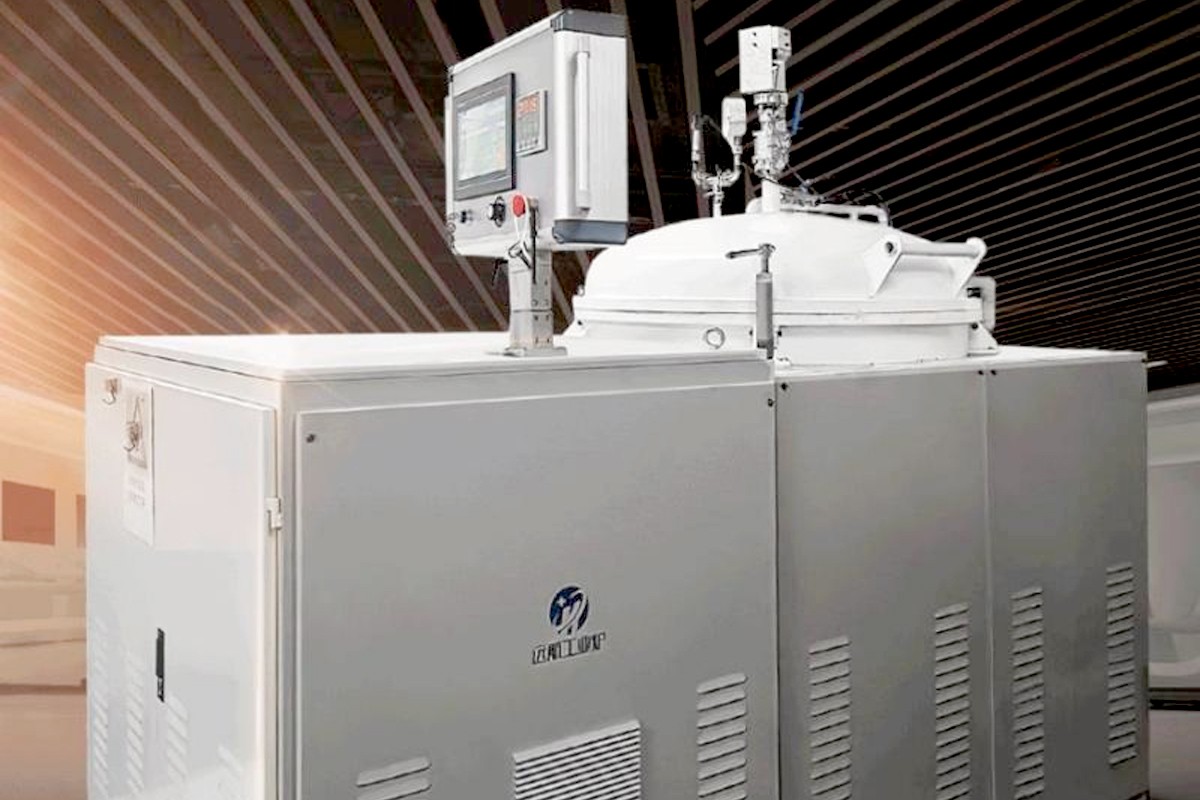
Laboratory Graphitization Furnace is an intermittent batch furnace designed for high-temperature gra...
Learn More
Structural Advantage: Adopts a vertical furnace chamber structure, where materials experience unifor...
Learn More
Our main business covers a wide range of heat treatment equipment, including various sizes of high-temperature graphitization furnaces ranging from 0 to 3200 degrees Celsius and vacuum furnaces ranging from 0 to 2200 degrees Celsius.


Whatsapp+08615273391550

Emailhejunde@zzyhgyl.com

AddressNo. 518 Hongqi Middle Road, Zhuzhou City, Hunan Province, China
ZhuZhou YuanHang Industrial Furnace Technology Co., Ltd.© 2024 All rights reserved.