
I. T-V Synergistic Matching Principle
Energy Conservation: A unit length of carbon fiber requires absorbing a fixed amount of heat (Q) to be heated from room temperature to the target temperature (e.g., 2200-2800°C). The maximum heating power (P) of the equipment is fixed, so there exists a basic relationship: P = Q × V. This means that given the power, there is a theoretical maximum for the traction speed (V).
Process Optimization: In actual operation, speed (V) and temperature (T) need to be finely optimized based on fiber specifications (such as tow K-number), precursor type (PAN-based, pitch-based), and target modulus and strength. Increasing temperature allows for适当 higher speeds, but excessively high temperatures or speeds can damage the fibers.
II. Our Technical Solution
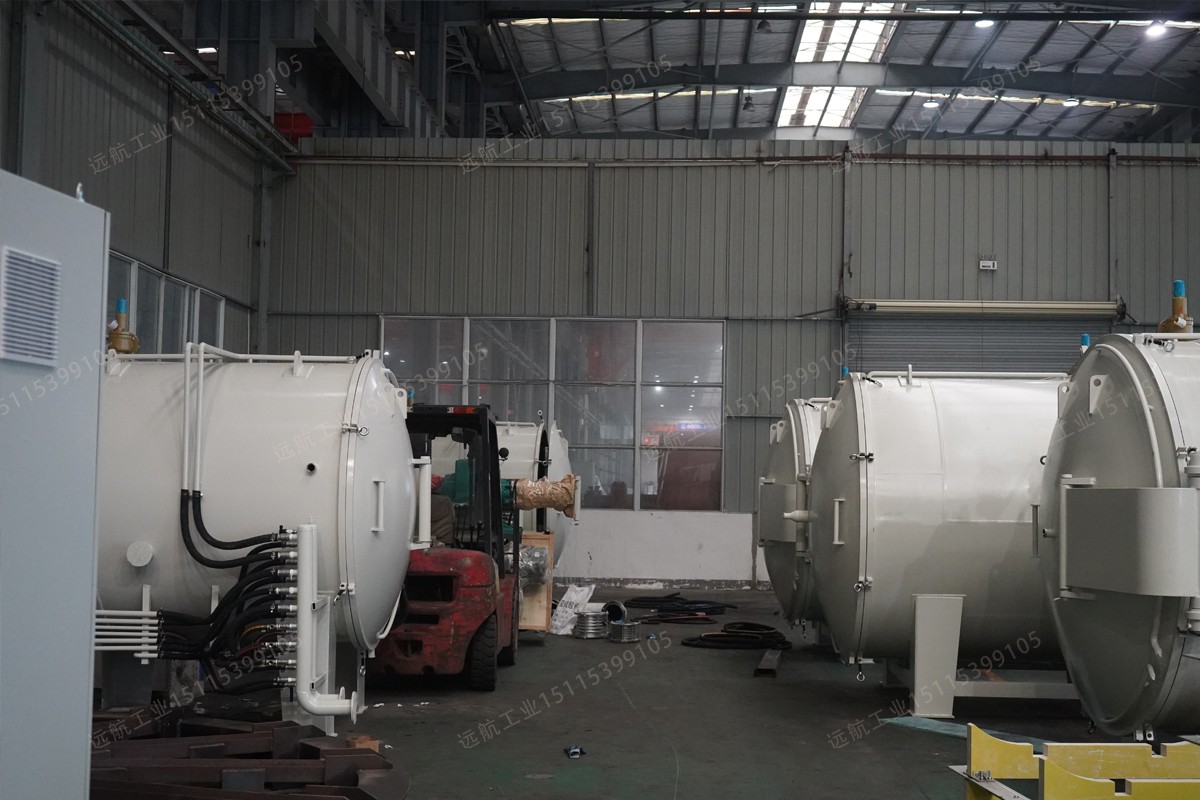
Specialized Equipment: We provide dedicated continuous graphitization furnaces with slender tubular furnace chamber designs, equipped with multi-zone independent temperature control systems capable of forming precise temperature gradient fields.
Precise Control: The system controls fiber traction speed through high-precision speed-regulating motors, linked with the power output of each temperature zone, ensuring that as the fiber passes through the high-temperature zone, its interior achieves the preset thermal history curve.
III. Application Cases
We have successfully provided continuous graphitization experimental lines and production pilot lines to multiple research institutions and high-performance carbon fiber manufacturers, accumulating valuable process data and application experience in the preparation of T700 and T800 grade carbon fibers.

Our main business covers a wide range of heat treatment equipment, including various sizes of high-temperature graphitization furnaces ranging from 0 to 3200 degrees Celsius and vacuum furnaces ranging from 0 to 2200 degrees Celsius.


Whatsapp+08615273391550

Emailhejunde@zzyhgyl.com

AddressNo. 518 Hongqi Middle Road, Zhuzhou City, Hunan Province, China
ZhuZhou YuanHang Industrial Furnace Technology Co., Ltd.© 2024 All rights reserved.