Question: What are the effective heating zone dimensions (inner diameter/height) and temperature field uniformity (e.g., ±?°C)? Can you provide a temperature uniformity test report?
Detailed Answer:
In the high-temperature graphitization process, the uniformity of the temperature inside the furnace (temperature field uniformity) is the lifeline for ensuring consistent performance of products within a batch. Uneven temperatures can directly lead to partial over-burning or insufficient graphitization of products, resulting in rejects.
I. Core Concepts: Effective Heating Zone and Temperature Field Uniformity
· Effective Heating Zone: This refers to the core area within the furnace chamber that meets the process requirements for temperature uniformity. Our equipment is custom-made to order. The dimensions (inner diameter and height) of the effective heating zone are tailored according to the shape, size, and loading method of your materials, ensuring your products are perfectly positioned within the optimal uniform temperature field. We also offer standard dimensions for your selection.
· Temperature Field Uniformity: Typically expressed as ±X°C. This means that within the effective heating zone, the temperature difference between any two points will not exceed 2X°C. This value is not fixed; it is influenced by factors such as material type, packing density, and holding time. For example, the temperature field distribution for densely packed powder will differ from that for green bodies placed with gaps.
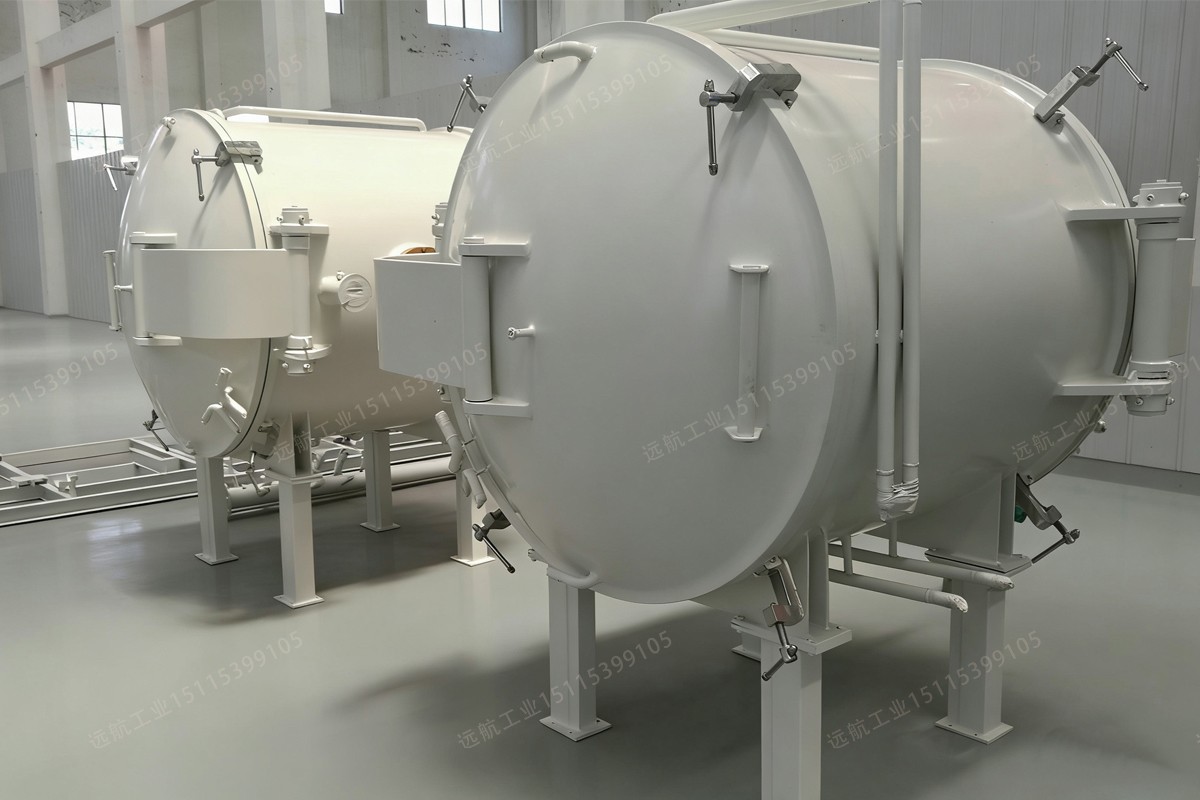
II. How to Verify Uniformity? — Let the Data Speak
We commit to conducting on-site temperature field uniformity testing during equipment acceptance. The specific method involves placing multiple ceramic temperature-indicating rings, capable of withstanding temperatures up to 2200°C, at different key positions inside the furnace (e.g., top, middle, bottom, center, edge).
Subsequently, we run a standard process program. Upon completion, by measuring the shrinkage rate of these rings caused by heat exposure, we can accurately back-calculate the actual temperature experienced at that specific point.
Finally, based on the data from all temperature-indicating rings, we will generate a detailed Temperature Field Uniformity Test Report. This report uses objective data to demonstrate the equipment's performance to you and will serve as a crucial acceptance document and a basis for your future process design.
The above technical article is exclusively written by Yuanhang Industrial Furnace Company. Reproduction is prohibited.