
Silicon carbide sintering furnaces achieve highly efficient sintering through a combination of advanced design principles, precise atmosphere control, and optimized heating profiles. At the core of their efficiency is the use of high-temperature heating elements, such as graphite or molybdenum disilicide, which enable the furnace to reach and maintain the extreme temperatures (often exceeding 2000°C) required for densifying silicon carbide powder.
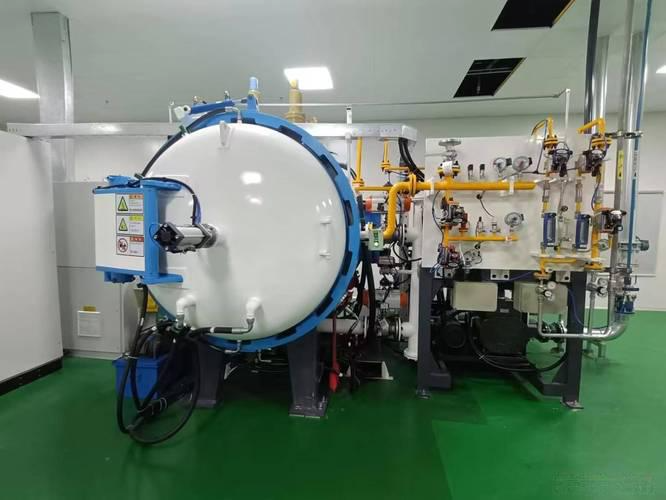
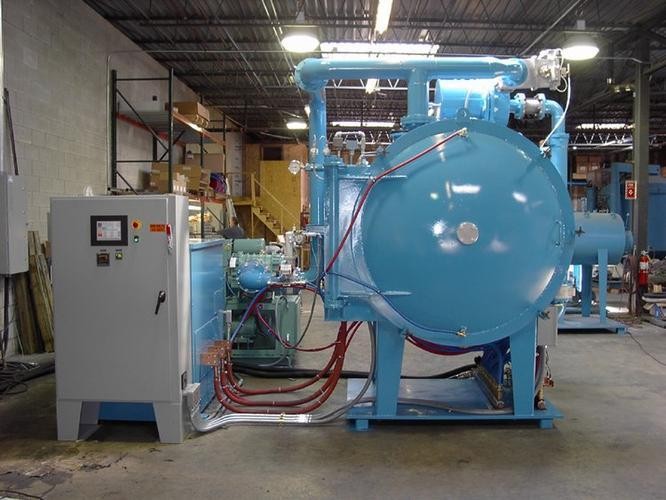
The efficiency is also driven by programmable logic controllers (PLCs) and automated systems. These allow for precise regulation of the entire thermal cycle—including heating rates, dwell times at peak temperature, and controlled cooling. This precise management not only optimizes densification and microstructure development for superior mechanical properties but also enhances repeatability and reduces processing time.
Ultimately, by integrating superior thermal engineering, exact atmosphere management, and intelligent automation, the silicon carbide sintering furnace transforms raw powder into high-performance, fully dense components with remarkable energy and process efficiency.

Our main business covers a wide range of heat treatment equipment, including various sizes of high-temperature graphitization furnaces ranging from 0 to 3200 degrees Celsius and vacuum furnaces ranging from 0 to 2200 degrees Celsius.


Whatsapp+08615273391550

Emailhejunde@zzyhgyl.com

AddressNo. 518 Hongqi Middle Road, Zhuzhou City, Hunan Province, China
ZhuZhou YuanHang Industrial Furnace Technology Co., Ltd.© 2024 All rights reserved.