
I. Comprehensive Redundancy Configuration Philosophy
Our design principle is: reserve sufficient redundancy margin for key control modules and I/O (input/output) points. This does not mean dual-system as standard, but rather ensuring during hardware selection that the actual number of PLC I/O points, analog module channels, etc., used is less than the maximum capacity of the module.
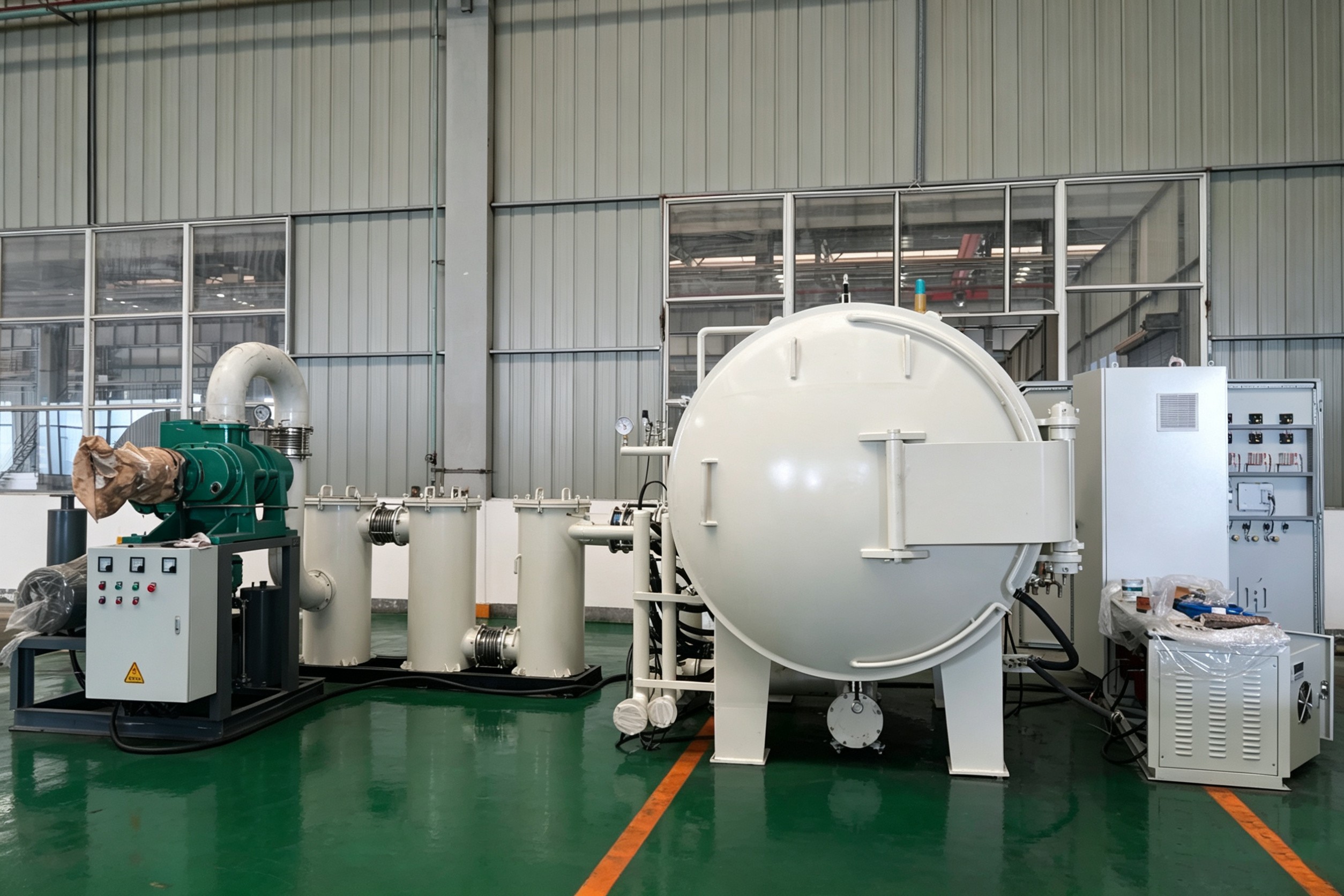
II. Specific Manifestations of Redundancy
PLC I/O Point Redundancy: The configured PLC has more digital (DI/DO) and analog (AI/AO) interface points than actually needed. When a specific I/O point fails during production, the program can quickly switch to a备用 redundant point, allowing the equipment to continue operating without shutdown, greatly facilitating online maintenance.
Module Redundancy: For particularly important analog control loops, redundant modules can be configured.
Power Redundancy: Redundant power modules can be configured for the core PLC control system. When one power supply fails, another seamlessly takes over, ensuring the control system does not lose power.
III. Value Brought to Customers
High Availability: Significantly reduces the risk of entire machine shutdown due to failure of a sensor, actuator, or module, especially suitable for large-scale continuous production.
Maintenance Convenience: Supports online replacement of faulty components, maintenance does not affect production.
Long-Term Reliability: Reserves sufficient interface space for future minor modifications or functional expansions of the equipment.

Our main business covers a wide range of heat treatment equipment, including various sizes of high-temperature graphitization furnaces ranging from 0 to 3200 degrees Celsius and vacuum furnaces ranging from 0 to 2200 degrees Celsius.


Whatsapp+08615273391550

Emailhejunde@zzyhgyl.com

AddressNo. 518 Hongqi Middle Road, Zhuzhou City, Hunan Province, China
ZhuZhou YuanHang Industrial Furnace Technology Co., Ltd.© 2024 All rights reserved.