


Question:What is the furnace body sealing structure like? How is long-term sealing performance ensured under high pressure/negative pressure to prevent leakage?
Detailed Answer:
Sealing is the lifeline of high-temperature vacuum equipment. A tiny leak can lead to the oxidation and scrapping of an entire batch of products, or even equipment damage. We have implemented meticulously designed sealing structures to ensure reliable operation of the equipment under long-term, harsh working conditions.
I. Core Sealing Element: High-Performance Fluororubber O-Rings
We extensively use O-rings made of Fluororubber (FKM). This material is the preferred choice for sealing in vacuum and high-pressure equipment due to its excellent high-temperature resistance (long-term service temperature up to 200-250°C), outstanding chemical resistance, and low gas permeability.
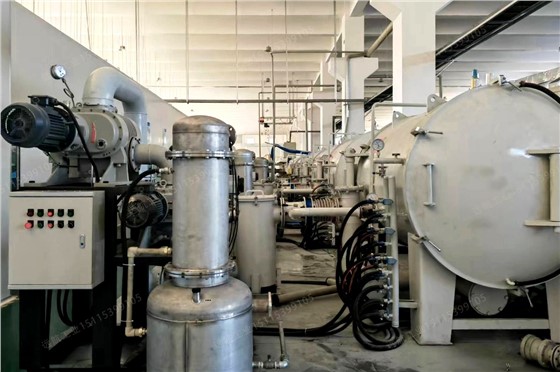
II. Core Design Principle: Water-Cooled Flange Structure
While the material properties of the sealing rings are excellent, an excessively high ambient temperature can accelerate their aging and failure. Our core design lies in mounting all primary sealing rings on metal flanges equipped with integrated water-cooling channels.
Working Principle:Continuously flowing cooling water maintains the flange temperature at a consistently low level (typically <60°C). This creates an ideal "working environment" for the fluororubber rings, significantly slowing down their thermal aging process and ensuring long-term stability of the sealing performance.
III. Comprehensive Sealing Assurance System
This combination of "water-cooled flanges + fluororubber rings" provides a solid guarantee for the dynamic seals of our equipment (such as furnace doors, electrode feed-throughs, etc.). Whether the furnace interior is under slight positive pressure or negative pressure, this structure effectively prevents gas leakage.
Furthermore, for static connections and certain special interfaces, we may also employ sealing methods such as metal spiral wound gaskets or copper gaskets, depending on the situation, to meet higher temperature requirements.
The above technical article is exclusively written by Yuanhang Industrial Furnace Company. Reproduction is prohibited.